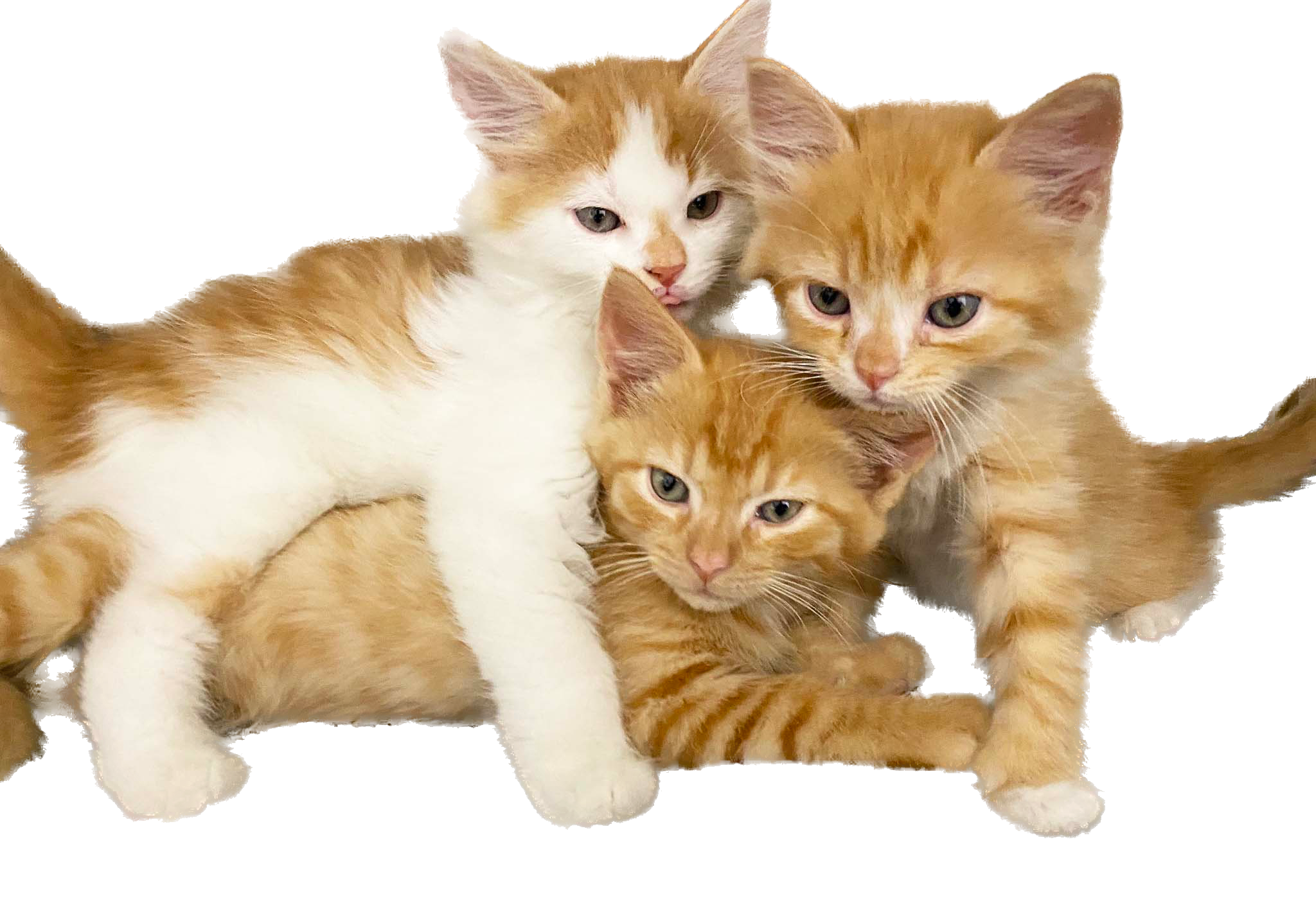
Over 70,000 stray and feral cats are estimated to reside on the streets of Cleveland.

A female cat can get pregnant starting at only 4 months old.
She can have multiple litters in a single year, up to 100 kittens in her lifetime. Just one unspayed female can turn into dozens of cats in only a couple of years.
When food is limited, outdoor cats turn to local wildlife. They kill billions of birds and small mammals every year and are considered the leading cause of human related bird deaths in the United States.
Cats often live in colonies, a group of free-roaming cats that live together outside, and unmanaged colonies can face disease, injury, starvation, and harsh weather.
TNR (trap-neuter-return) helps to slow reproduction and stabilize colonies. TNR is the most effective method of controlling the stray cat population, but requires an ongoing effort to be successful.
When I lived in East Cleveland I had about 20 cats that frequented my porch for a meal, we quickly saw that there was an issue and we wanted to know what we could do. I bought a humane trap and started taking cats in to be fixed, starting with the ones who were pregnant. Friendly cats were socialized and found a home with someone, feral cats were returned to the streets. We took them in for TNR as often as we could, but outside of the many cats coming to my porch there were many more in my neighborhood. We couldn’t help them all alone.
Most of my neighbors did not know it was an issue, or that there was anything that could be done. There will always be more kittens right? Maybe, but there is something that we can do to limit the amount of stray and feral cats in Cleveland, and even very small contributions you can do from your own home can help.
Did you know?
How to care for local community cats

Put food out in a consistent location whenever you can. Consistent feeding is best so if you cannot feed them every day, perhaps collaborate with neighbors to feed and provide food. Food should not be left out overnight to avoid attracting raccoons and other wildlife.
Provide a bowl of fresh water at all times, even if you are unable to feed them.
Trap cats for TNR and vaccinations when possible. If not possible, report local cats to TNR groups (link provided below).
Keep an eye on cats you see often, contact local organizations who can help trap them and get them veterinary care when needed.
If you know a friendly stray, consider taking them in. Ask around, many more people are ready or open to adopting a cat than you think.
Even just getting to know your local cats can be beneficial. Socialization goes a long way in the wellbeing of many strays and can put a cat that once seemed feral on the path to being a pet.

A little bit more about TNR
Trap-Neuter-Return (TNR) is a method used to manage community cat populations. Stray and feral cats are trapped humanely and brought to local vet clinics to be spayed or neutered and offered essential vaccines. They are then returned to the area where they were found. TNR clinics will clip one tip of their ear to make them easily identifiable so that volunteers and locals will know that they have already been sterilized. This process stabilizes the colony and helps to prevent future litters.
TNR gained popularity in the late 20th century when animal welfare groups realized that trapping and euthanizing cats didn’t solve the issue. New cats would quickly move into the empty territory and reproduce, restarting the cycle. Advocacy groups began promoting TNR as a humane and more practical alternative, and it spread across the U.S. by the 90s.
TNR cannot however solve the problem on it’s own. It works slowly and depends heavily on people putting in the work. TNR needs volunteers to function as well as consistent and continued effort. When only some cats in an area are sterilized, the population will continue to grow. New cats will also move into the area from surrounding areas, or will be abandoned. House cats need to be fixed as well, especially those allowed outside. Access to affordable resources is a barrier for many who wish to help. Below I have listed a few resources that may be of use.
Resources
Here are some great resources if you are in need of any assistance. These include low cost spay and neuter clinics, financial assistance, pet food assistance, where to donate and more. Report local colonies below.